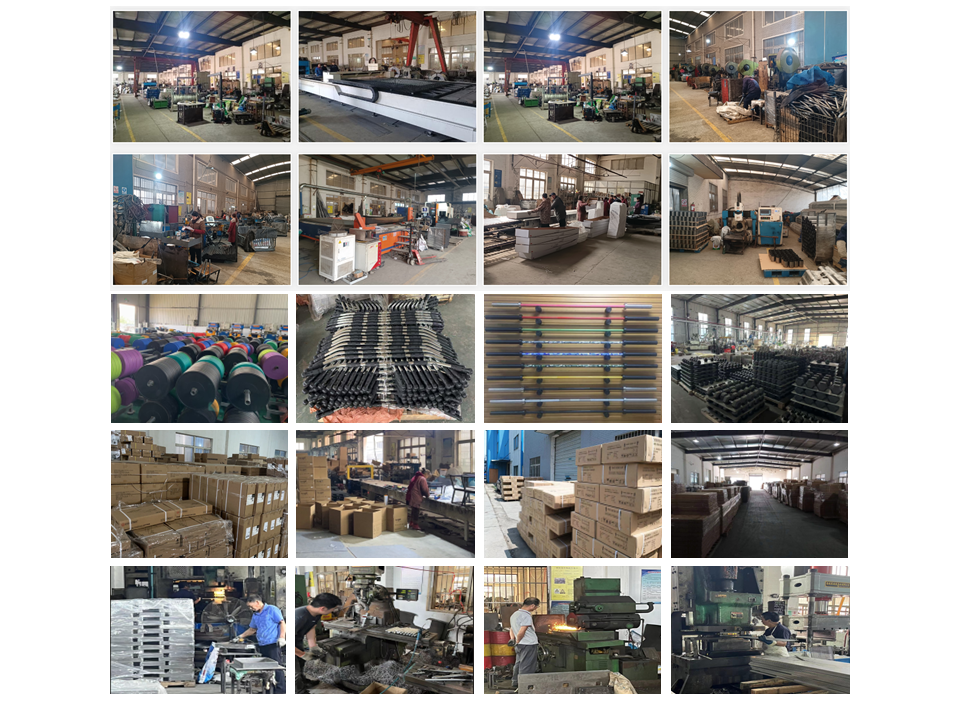
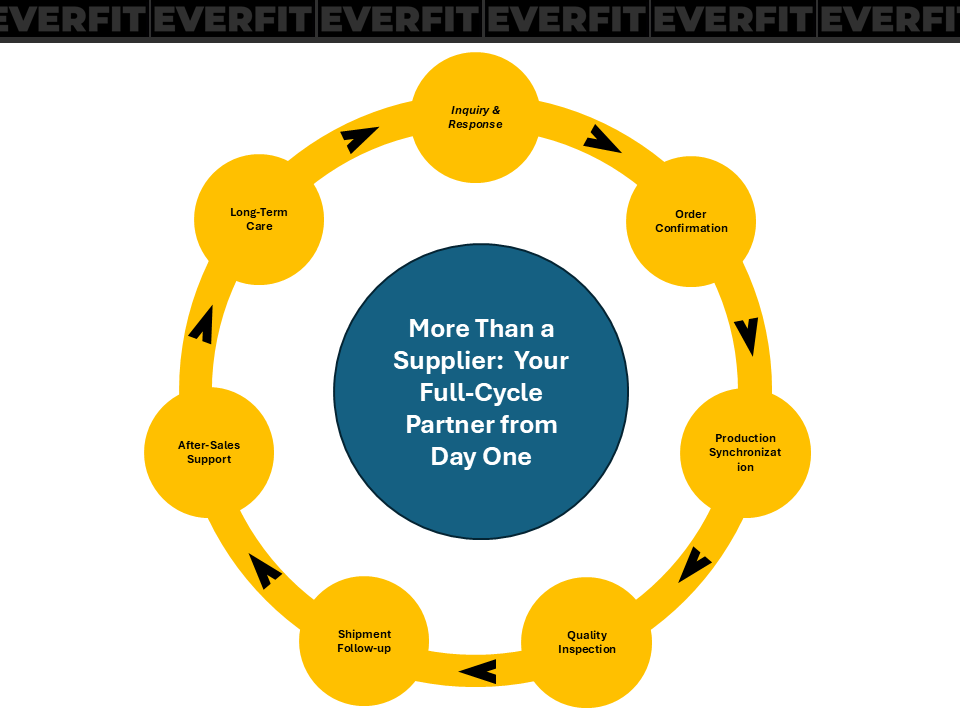
As is well known that China dominates global fitness equipment production. But not all “Made in China” is the same. Discovering the specific advantages and disadvantages of each major manufacturing cluster could make smarter sourcing decisions.
When you purchase a treadmill, a set of dumbbells, or a high-tech fitness mirror, chances are it originated in China. Over the past three decades, China has evolved into the undisputed global factory for fitness equipment, not just because of low costs, but due to the formation of highly specialized industrial clusters.
However, for international buyers—whether you are a gym chain owner, an e-commerce seller, or a fitness startup—treating all Chinese manufacturers as equal is a costly mistake.
The reality is that different regions specialize in different products and processes. Sourcing a commercial treadmill from Shangdong is a completely different experience from sourcing smart yoga mirrors from Shenzhen.
Here is a detailed analysis of China’s major fitness equipment production bases, including their specific strengths and weaknesses.
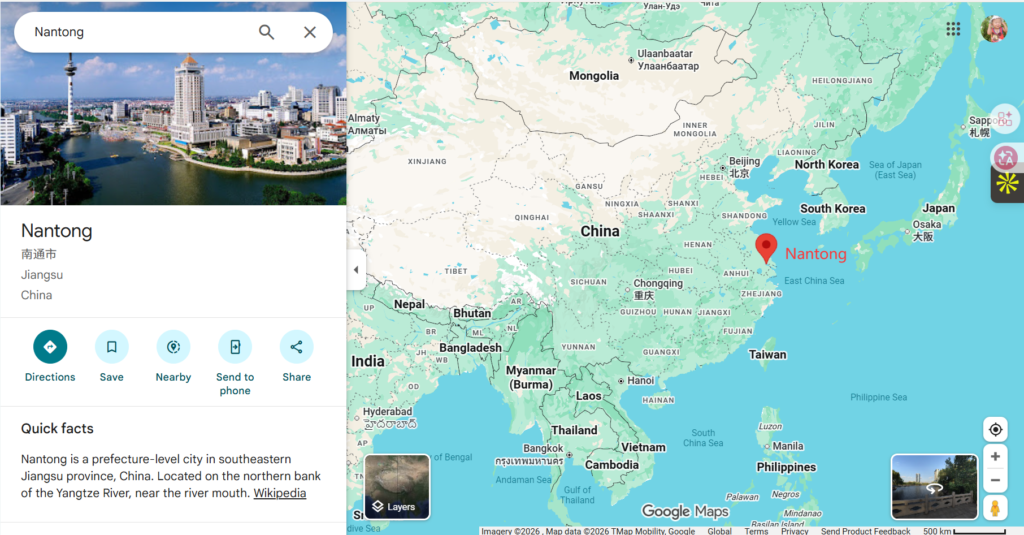
1. Nantong, Jiangsu: Nantong is the home to some of China’s largest and most reputable commercial fitness brands.
Strengths:
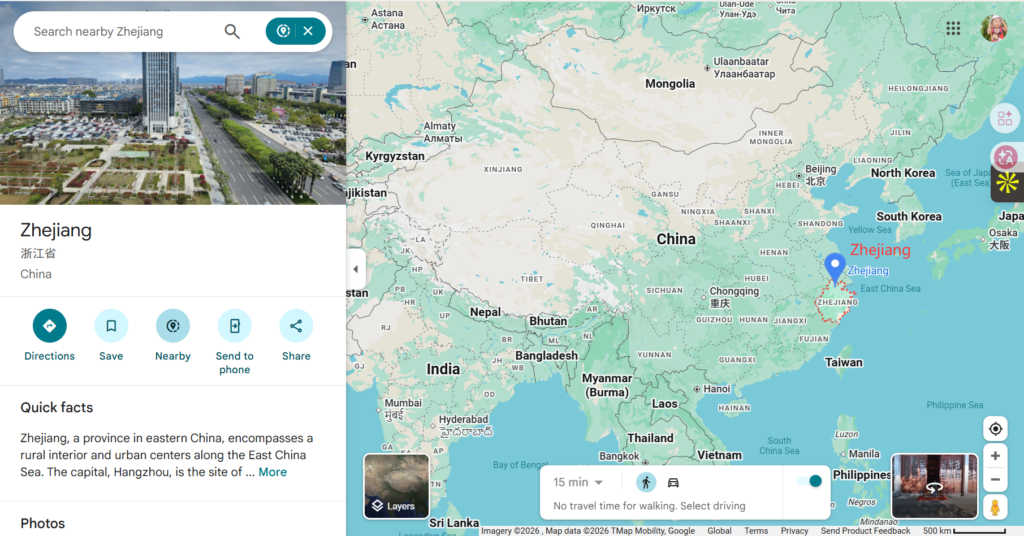
2. Zhejiang (Hangzhou, Jinhua, Ningbo mainly): Zhejiang leverages its e-commerce dominance (Alibaba) and trade ports to dominate the market for home use and small accessories.
Strengths:
Weaknesses:
Inconsistent Quality: The intense pressure to lower prices for e-commerce sometimes leads to corners being cut on raw materials (thinner steel, cheaper plastics).
Low Core Technology: Most are assemblers rather than inventors. They rely on generic motors and parts sourced elsewhere.
3. Ningjin, Shandong: Ningjin is often referred to as the “Hometown of Fitness Equipment in China.” It is a massive hub for commercial equipment and parts.
Strengths:
Weaknesses:
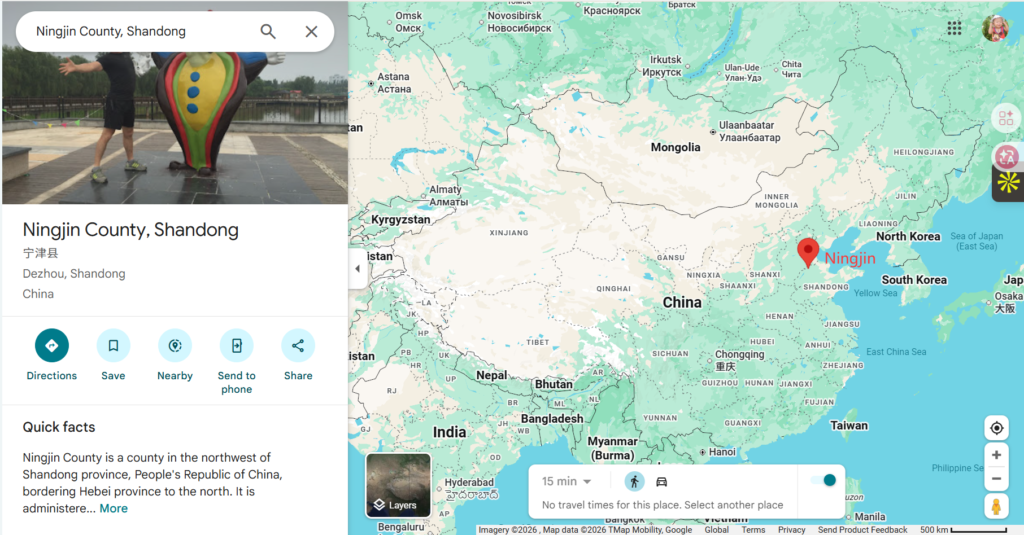
4. Qingdao, Shandong: Leveraging its world-class port, Qingdao has become the center of high-end OEM/ODM manufacturing for Western brands.
Strengths:
Weaknesses:
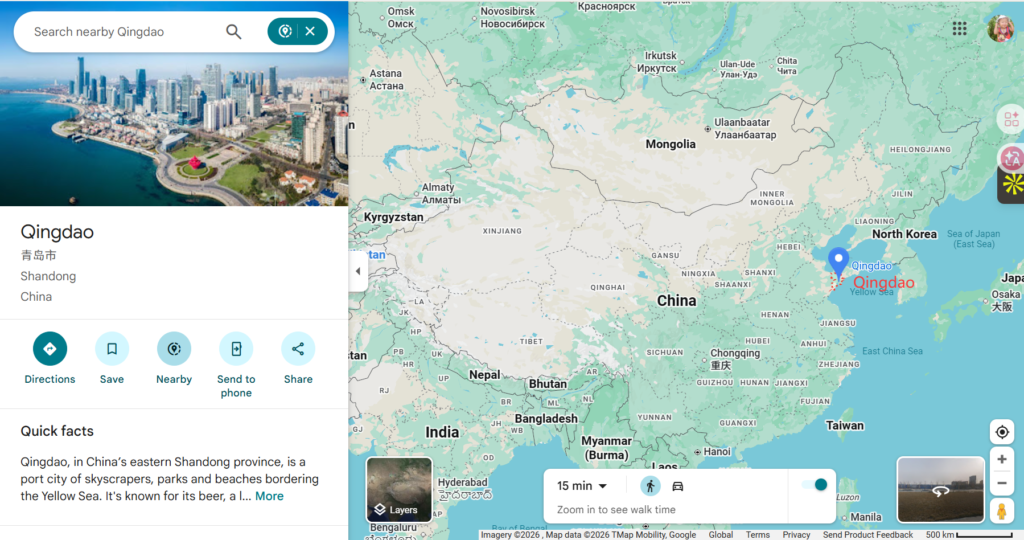
5. Shenzhen, Guangdong: If it connects to Wi-Fi, has a touchscreen, or uses AI, it probably comes from Shenzhen.
Strengths:
Weaknesses:
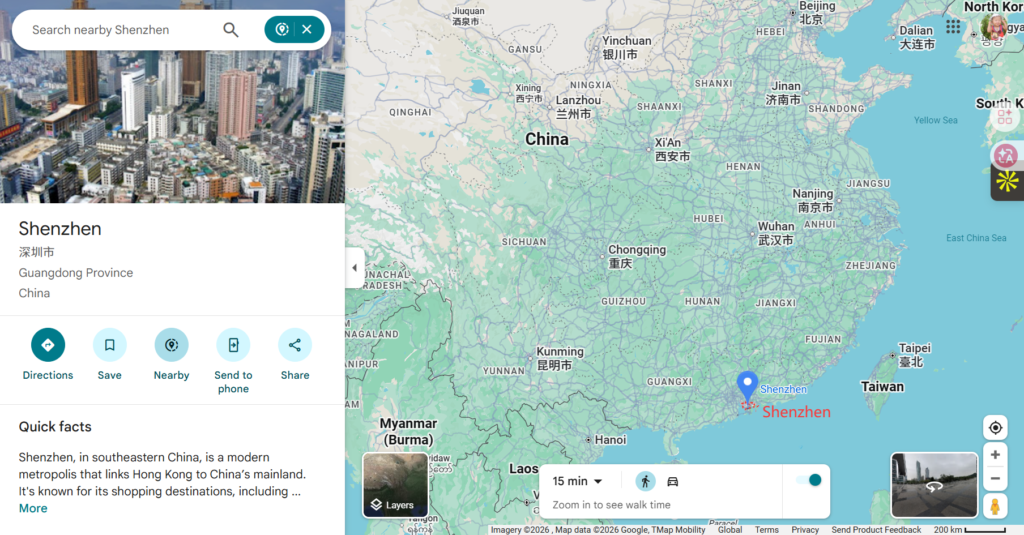
6. Dingzhou & Cangzhou, Hebei: This region relies on Hebei’s steel industry to dominate the world of (cast iron) and plate-loaded equipment.
Strengths:
Raw Material Advantage: Located near major steel producers, they have a significant cost advantage in making heavy items like barbell plates, kettlebells, and dumbbells.
Specialized Strength: Highly respected in the niche of powerlifting and strongman equipment.
Weaknesses:
Environmental Pressures: Cast iron is a high-pollution industry. Stringent Chinese environmental regulations often force these factories to halt production temporarily, causing supply chain instability.
Low Aesthetic Value: Products are often functional but lack the refined finish and design details required for premium home gyms.
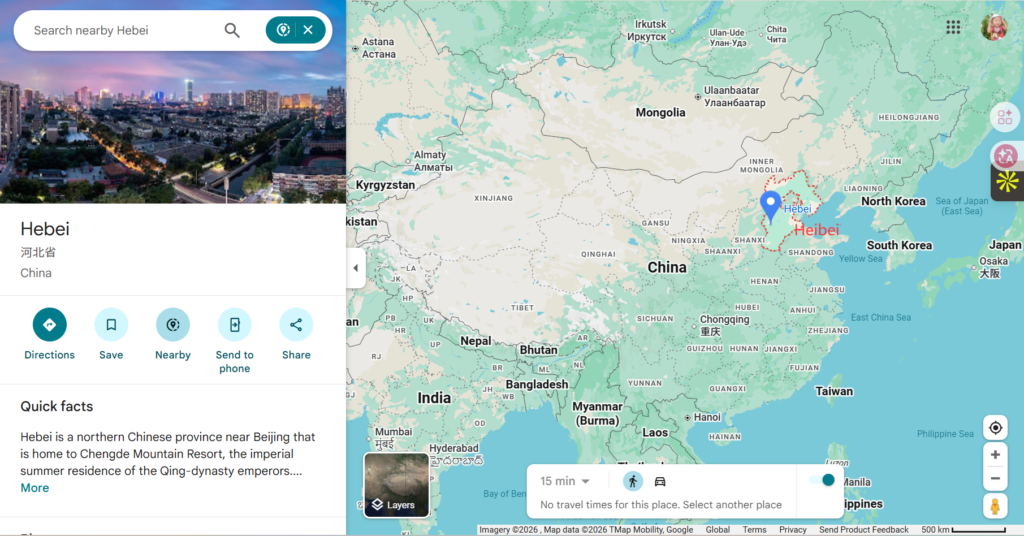
How to Choose Your Partner?
Understanding these regional differences is the first step toward a successful sourcing strategy:
- For Heavy Commercial Gyms: Look toward Nantong (Jiangsu) or established exporters in Qingdao (Shandong) .
- For Smart, Tech-Led Products: Shenzhen (Guangdong) is your first option.
- For E-commerce & Small Accessories: Zhejiang offers the best logistics and variety.
- For Cost-Sensitive Bulk Orders: Explore the clusters in Ningjin (Shandong) or Hebei.
China’s fitness industry is no longer just about cheap labor; it is about specialized expertise. Choosing the right geographical hub for your product category is the key to balancing cost, quality, and innovation.