A Deep Dive into China’s Fitness Equipment Manufacturing Hubs: Strengths, Weaknesses, and What They Mean for Your Business

As is well known that China dominates global fitness equipment production. But not all “Made in China” is the same. Discovering the specific advantages and disadvantages of each major manufacturing cluster could make smarter sourcing decisions.

When you purchase a treadmill, a set of dumbbells, or a high-tech fitness mirror, chances are it originated in China. Over the past three decades, China has evolved into the undisputed global factory for fitness equipment, not just because of low costs, but due to the formation of highly specialized industrial clusters.

However, for international buyers—whether you are a gym chain owner, an e-commerce seller, or a fitness startup—treating all Chinese manufacturers as equal is a costly mistake.

The reality is that different regions specialize in different products and processes. Sourcing a commercial treadmill from Shangdong is a completely different experience from sourcing smart yoga mirrors from Shenzhen.

Here is a detailed analysis of China’s major fitness equipment production bases, including their specific strengths and weaknesses.

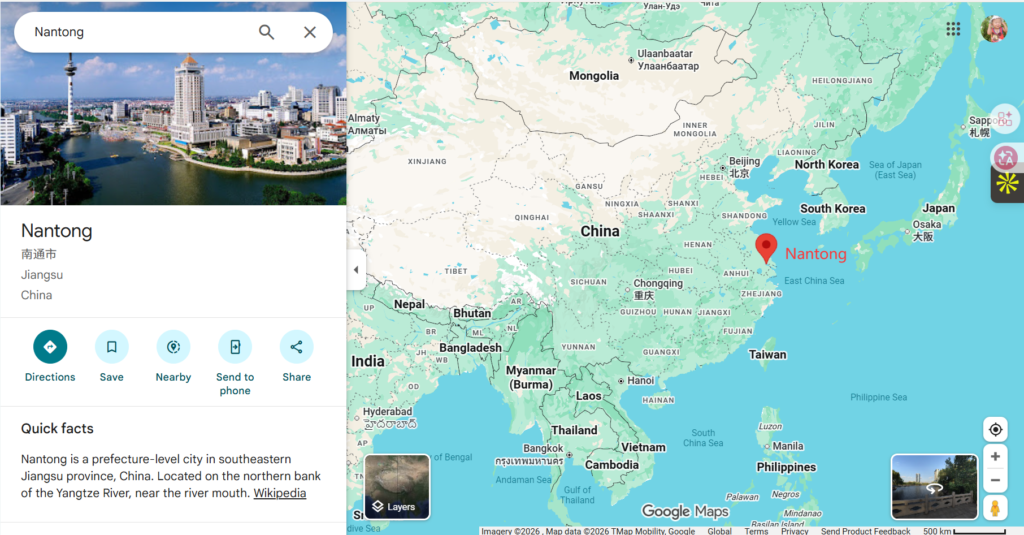
1. Nantong, Jiangsu: Nantong is the home to some of China’s largest and most reputable commercial fitness brands.

Strengths:
Durability gene: Due to long-term service to professional gyms and training centers, Nantong’s product design logic prioritizes durability over appearance. This kind of “sturdy and durable” reputation is very strong in the industry.
 
Deep B2B Networks: They have established decades-long relationships with major gym chains, five-star hotels, and university training centers globally.
 
Industry standard setters: Some leading enterprises participated in the drafting of national sports equipment standards, which gives Nantong Industrial Belt a strong voice in the entire industry.
 
Weaknesses:
 
Dependence on CapEx Cycles: Commercial equipment is a capital expenditure. During economic downturns, gyms delay expansions, directly hurting Nantong’s core business.
 
Slow Digital Transformation: Accustomed to the stability of B2B orders, some companies here have been slower to adapt to the direct-to-consumer (DTC) e-commerce boom and the demand for “smart” home equipment.
Nantong

2. Zhejiang (Hangzhou, Jinhua, Ningbo mainly): Zhejiang leverages its e-commerce dominance (Alibaba) and trade ports to dominate the market for home use and small accessories.

Strengths:

E-commerce DNA: These manufacturers understand dropshipping, Amazon FBA, and TikTok shops. They know how to make products that photograph well and ship cheaply.
 
Small Goods Dominance: For yoga mats, yoga bands and budget treadmills etc, Zhejiang is unbeatable in terms of volume and variety.
 

Weaknesses:

Inconsistent Quality: The intense pressure to lower prices for e-commerce sometimes leads to corners being cut on raw materials (thinner steel, cheaper plastics).

Low Core Technology: Most are assemblers rather than inventors. They rely on generic motors and parts sourced elsewhere.
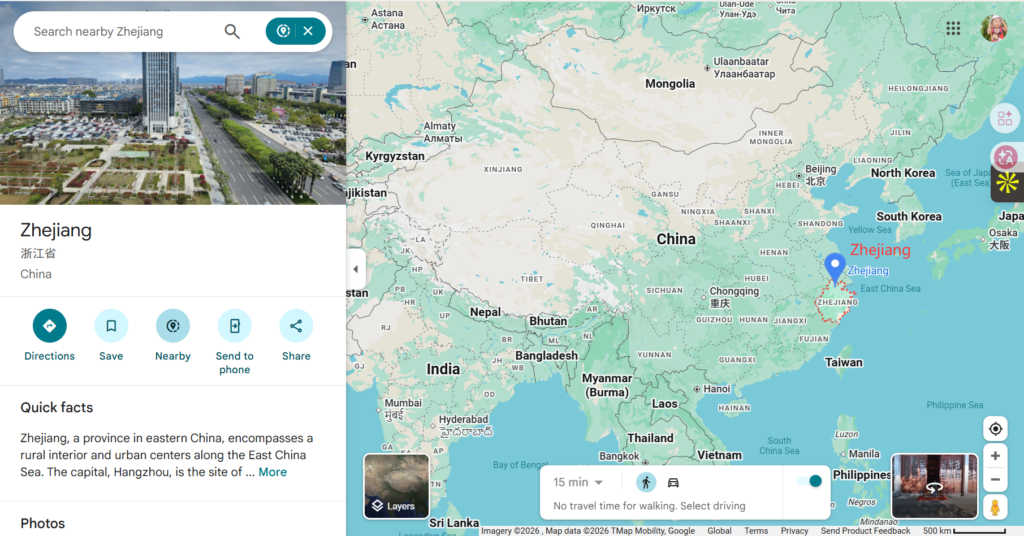
Zhejiang

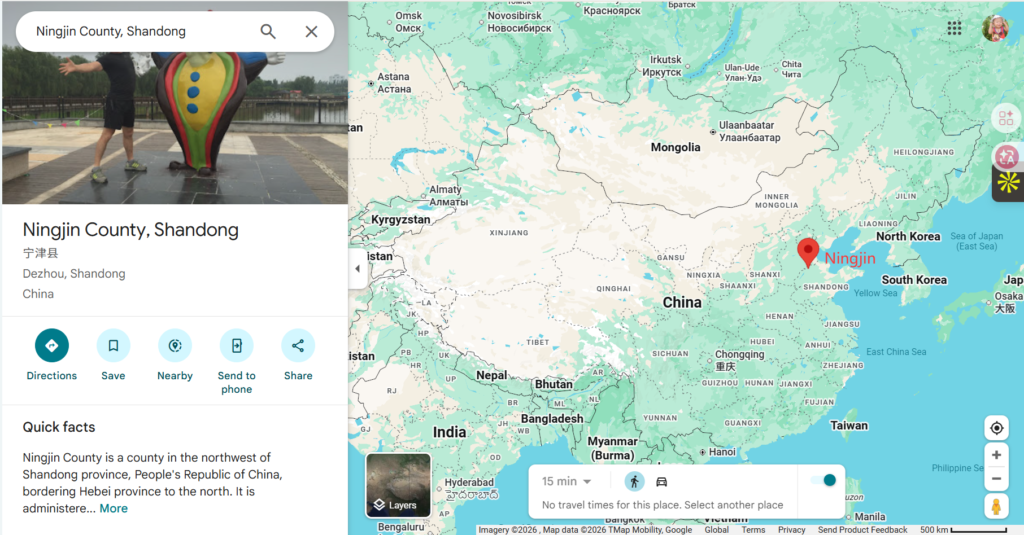
3. Ningjin, Shandong: Ningjin is often referred to as the “Hometown of Fitness Equipment in China.” It is a massive hub for commercial equipment and parts.

Strengths:

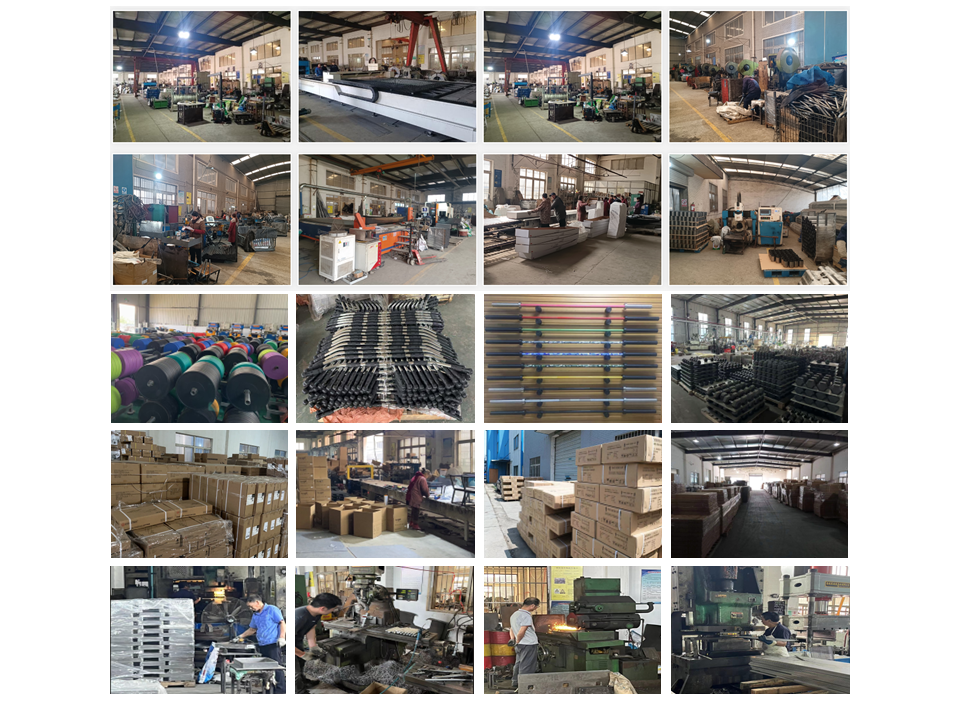
Complete Supply Chain: Ningjin’s biggest asset is its “one-hour supporting circle.” You can source almost every component—from steel tubes to plastic injection parts—locally, which significantly reduces procurement costs and lead times.
 
Cost Efficiency: With lower labor and land costs compared to coastal metropolises, Ningjin manufacturers are highly competitive in the mid-to-low price segment.
 

Weaknesses:

Low Brand Premium: The region is crowded with OEM (Original Equipment Manufacturer) factories. While they can build a solid product, they generally lack the design and marketing power to build global brands.
 
Product Homogenization: Because the technology is easily replicated, products from different factories often look the same, leading to intense price wars.
 
ningjing

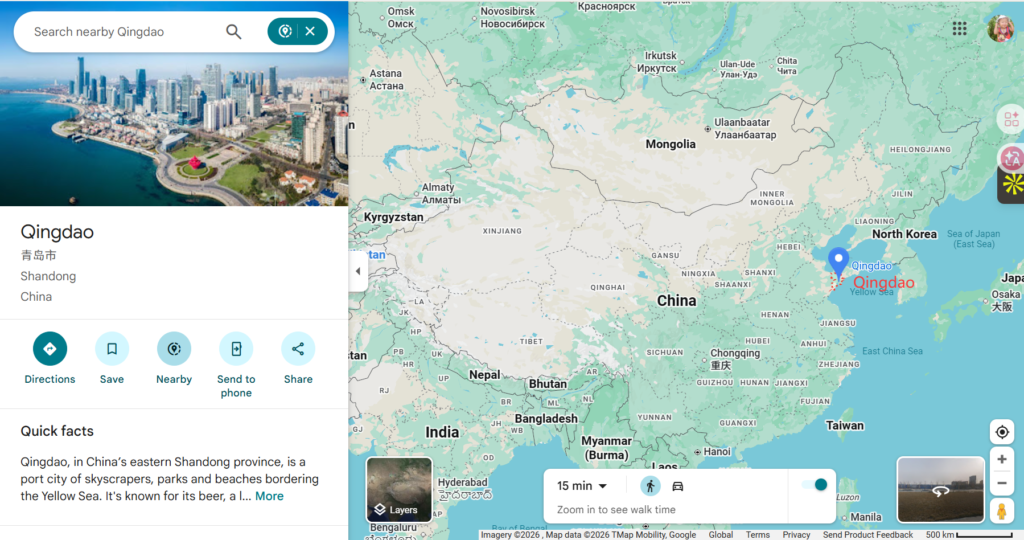
4. Qingdao, Shandong: Leveraging its world-class port, Qingdao has become the center of high-end OEM/ODM manufacturing for Western brands.

Strengths:

Export Expertise: Qingdao factories are well-versed in international standards (CE, UL, TÜV) and have mature logistics networks. They understand the compliance requirements of the EU and North American markets better than most.
 
Superior Craftsmanship: Serving international clients for decades has forced Qingdao manufacturers to excel in welding precision, powder coating, and overall build quality.
 

Weaknesses:

Over-reliance on Exports: These factories are highly sensitive to exchange rates, international shipping costs, and tariff policies.
 
Weak Domestic Channels: Having focused on foreign clients for so long, many lack the branding and distribution strategies required to succeed in the Chinese domestic market.
qingdao

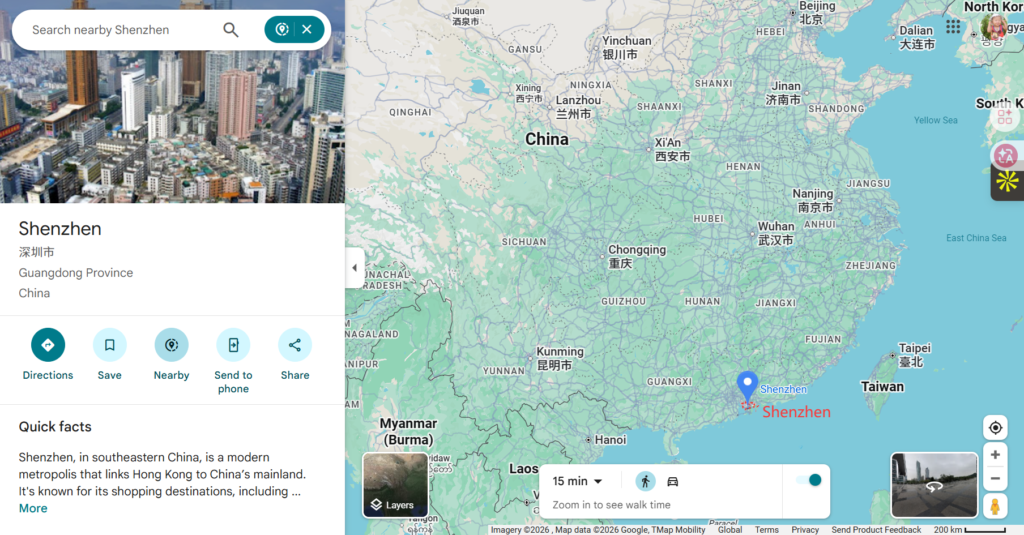
5. Shenzhen, Guangdong: If it connects to Wi-Fi, has a touchscreen, or uses AI, it probably comes from Shenzhen.

Strengths:

Tech Integration: Backed by the Pearl River Delta’s electronics ecosystem, Shenzhen factories excel at integrating Bluetooth chips, sensors, and app development into fitness hardware. This is the birthplace of fitness mirrors and AI-powered resistance bikes.
 
Industrial Design: The city’s culture of innovation means products are sleek, modern, and designed for the Instagram age.

Weaknesses:

Mechanical Inexperience: While the “brains” are great, the “brawn” can sometimes be lacking. Shenzhen startups sometimes underestimate the mechanical durability required for heavy lifting or long-distance running.
 
High Costs: Operating in a first-tier city means higher labor and rent costs, making their products generally more expensive than those from northern hubs.
Shenzhen

6. Dingzhou & Cangzhou, Hebei: This region relies on Hebei’s steel industry to dominate the world of (cast iron) and plate-loaded equipment.

Strengths:

Raw Material Advantage: Located near major steel producers, they have a significant cost advantage in making heavy items like barbell plates, kettlebells, and dumbbells.

Specialized Strength: Highly respected in the niche of powerlifting and strongman equipment.

Weaknesses:

Environmental Pressures: Cast iron is a high-pollution industry. Stringent Chinese environmental regulations often force these factories to halt production temporarily, causing supply chain instability.

Low Aesthetic Value: Products are often functional but lack the refined finish and design details required for premium home gyms.
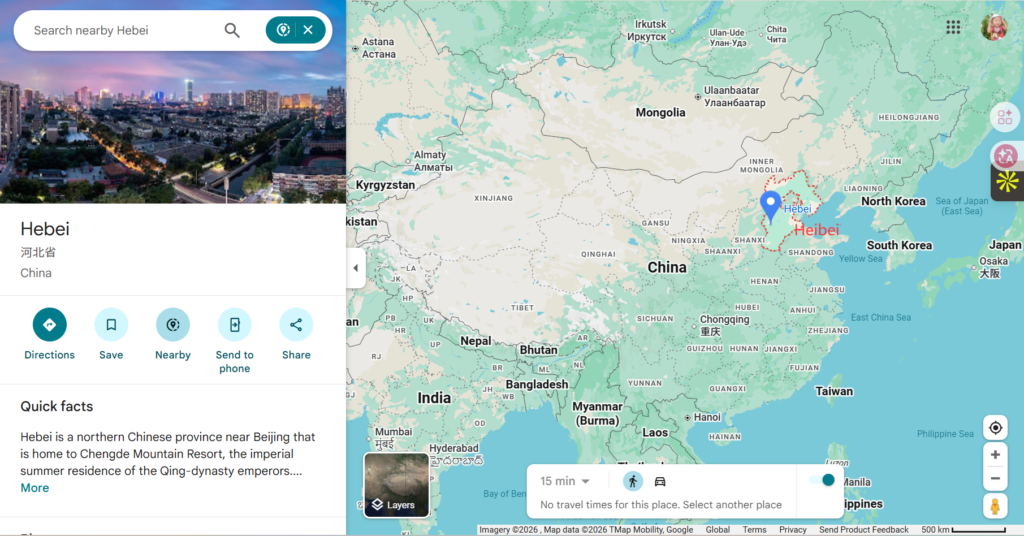
Heibei

How to Choose Your Partner?

Understanding these regional differences is the first step toward a successful sourcing strategy:

  • For Heavy Commercial Gyms: Look toward Nantong (Jiangsu) or established exporters in Qingdao (Shandong) .
  • For Smart, Tech-Led Products: Shenzhen (Guangdong) is your first option.
  • For E-commerce & Small Accessories: Zhejiang offers the best logistics and variety.
  • For Cost-Sensitive Bulk Orders: Explore the clusters in Ningjin (Shandong) or Hebei.

China’s fitness industry is no longer just about cheap labor; it is about specialized expertise. Choosing the right geographical hub for your product category is the key to balancing cost, quality, and innovation.